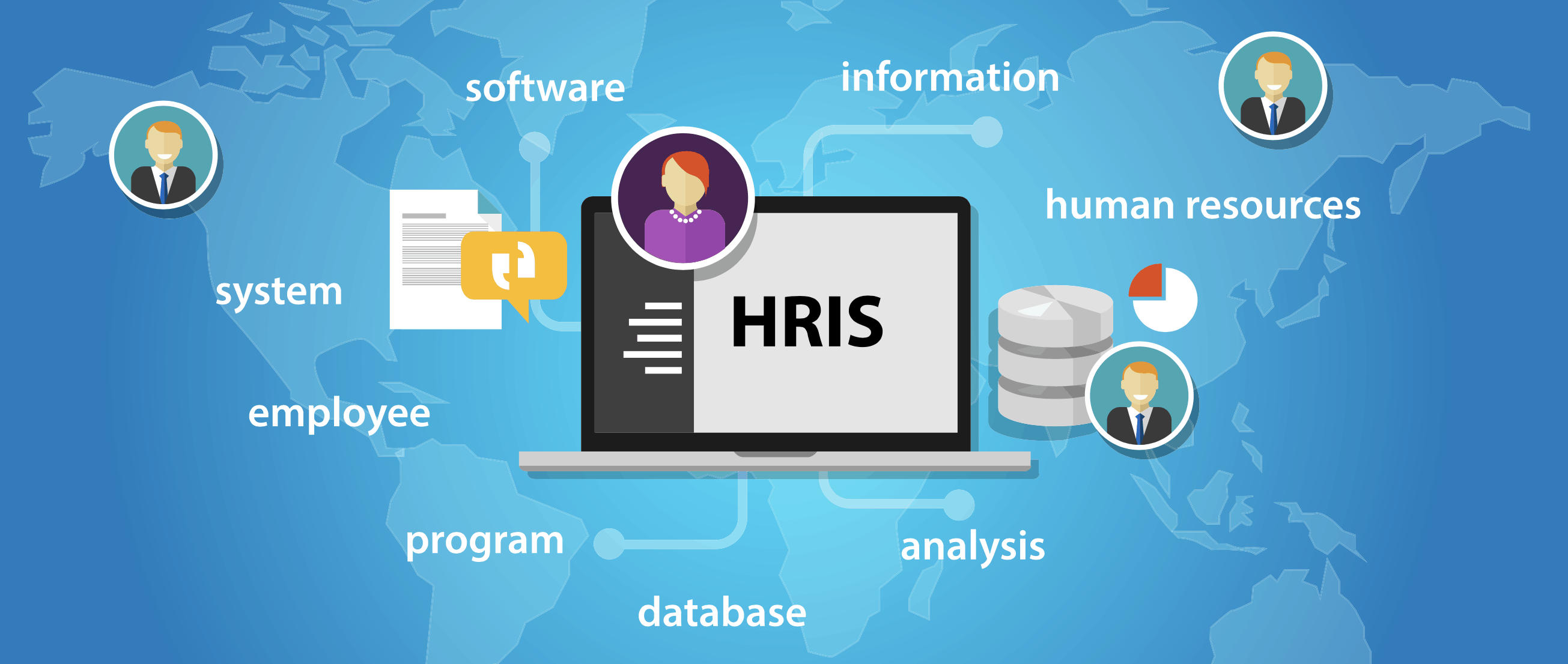
The WFH decision may be a ‘yay’ or a ‘nay’ for some companies and individuals. Leaders will need to make sure that they are being supported with the right technology to carry out their business processes online.
Harvard Business Review prepared a short guide on how to manage your remote workers:
Establish structured daily check-ins
Many successful remote managers establish a daily call with their remote employees. This could take the form of a series of one-on-one calls, if your employees work more independently from each other, or a team call, if their work is highly collaborative. The important feature is that the calls are regular and predictable, and that they are a forum in which employees know that they can consult with you, and that their concerns and questions will be heard.
Provide several different communication technology options
Email alone is insufficient. Remote workers benefit from having a “richer” technology, such as video conferencing, that gives participants many of the visual cues that they would have if they were face-to-face. Video conferencing has many advantages, especially for smaller groups: Visual cues allow for increased “mutual knowledge” about coworkers and also help reduce the sense of isolation among teams. Video is also particularly useful for complex or sensitive conversations, as it feels more personal than written or audio-only communication.
Establish “rules of engagement”
Remote work becomes more efficient and satisfying when managers set expectations for the frequency, means, and ideal timing of communication for their teams. For example, “We use videoconferencing for daily check-in meetings, but we use IM when something is urgent.” Also, if you can, let your employees know the best way and time to reach you during the workday (e.g., “I tend to be more available late in the day for ad hoc phone or video conversations, but if there’s an emergency earlier in the day, send me a text.”) Finally, keep an eye on communication among team members (to the extent appropriate), to ensure that they are sharing information as needed.
Provide opportunities for remote social interaction
One of the most essential steps a manager can take is to structure ways for employees to interact socially (that is, have informal conversations about non-work topics) while working remotely. This is true for all remote workers, but particularly so for workers who have been abruptly transitioned out of the office.
Offer encouragement and emotional support
Especially in the context of an abrupt shift to remote work, it is important for managers to acknowledge stress, listen to employees’ anxieties and concerns, and empathize with their struggles. If a newly remote employee is clearly struggling but not communicating stress or anxiety, ask them how they’re doing. Even a general question such as “How is this remote work situation working out for you so far?” can elicit important information that you might not otherwise hear. Once you ask the question, be sure to listen carefully to the response, and briefly restate it back to the employee, to ensure that you understood correctly. Let the employee’s stress or concerns (rather than your own) be the focus of this conversation.
With the right technology it is an easy job to communicate with your employees and build trust.
HReasily has a one-for-all solution to manage your meticulous HR work so you are able to focus on building trust and relationships with your employees.
Contact us now for more information.
*This article is written by Riesintiya Aska for Startup HR Community, organised by HReasily.
About Riesintiya Aska

Tiya is an experienced Customer Service and Sales Consultant with a demonstrated history of working in the marketing and customer service industry. Skilled in People Development, Customer Service, Sales, Lead Generation, and Marketing.
See it on your own numbers.
Start free, import your team, and run a cycle on real hours. Nothing is filed until you approve it.
Sign up for free